
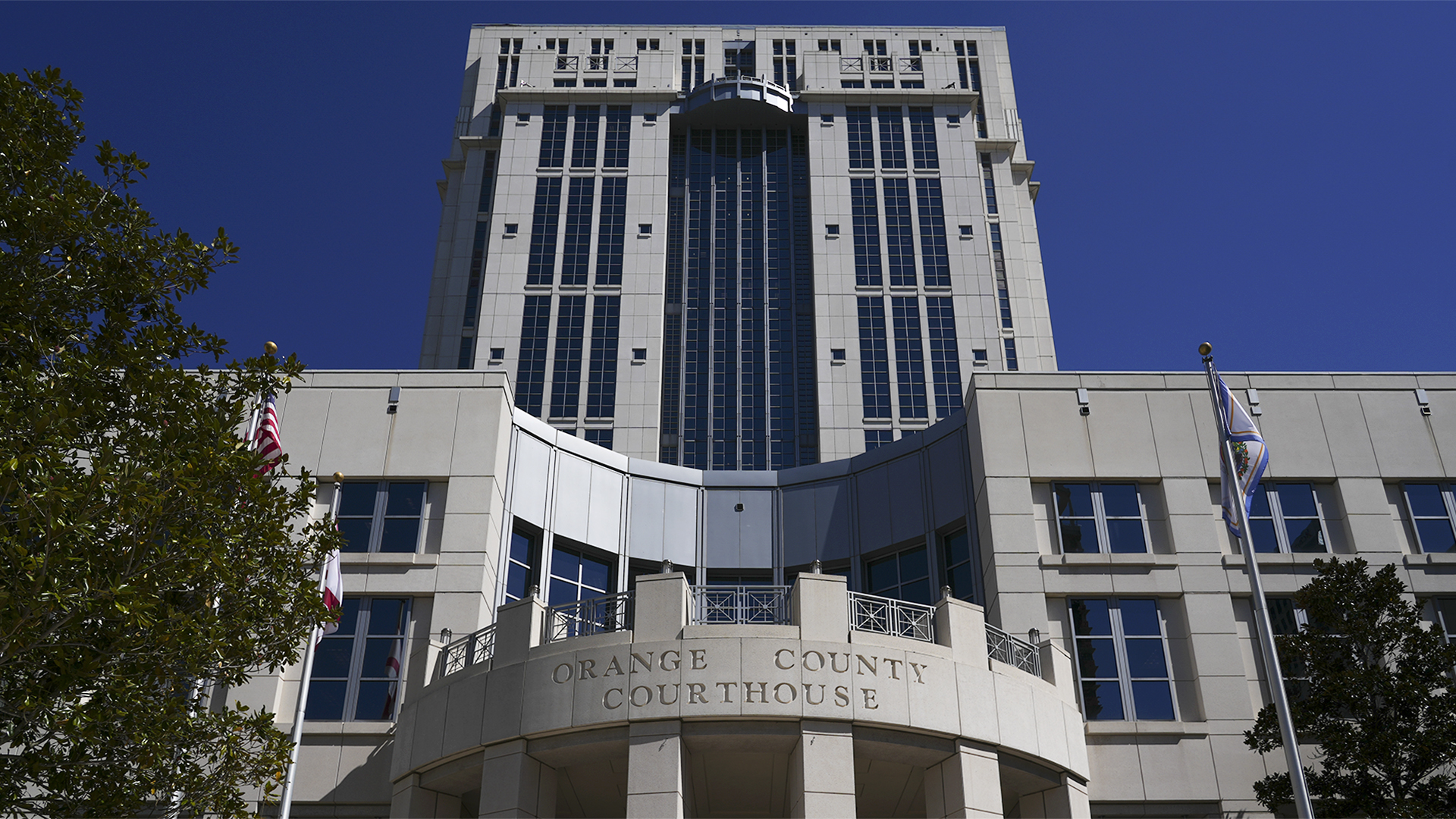
Estate Planning in Orlando Florida
Expert legal representation with over 20 years of experience. We are committed to protecting your rights and achieving the best possible outcomes for your case.
What Is Estate Planning?
Estate planning allows you to make informed decisions about how your assets, healthcare preferences, and responsibilities are handled during your lifetime and after your passing. A well-structured estate plan can help minimize uncertainty, protect loved ones, and ensure your wishes are clearly documented under Florida law. Our firm provides practical, personalized guidance to help you plan with confidence.

Guidance through life’s most important legal decisions in Orlando Florida.
Wills
Legal documents that clearly outline how your property and assets should be distributed according to your wishes.
Trusts
Flexible planning tools designed to manage assets, provide for beneficiaries, and address long-term goals.
Powers of Attorney
Documents that authorize trusted individuals to handle financial or legal matters if you become unable to do so.
Healthcare Directives
Advance planning that outlines your medical preferences and designates decision-makers for healthcare matters.
Probate & Estate Administration
Guidance through the probate process and assistance with administering estates efficiently and correctly.
Estate Plan Updates & Amendments
Legal assistance when life changes require updates to existing estate planning documents.
Frequently Asked Questions
Estate planning helps ensure your assets are distributed according to your wishes and that important decisions are handled by people you trust. Without a plan, Florida law determines how assets are distributed, which may not align with your intentions.
Yes. Estate planning is not only about asset value—it also covers healthcare decisions, guardianship considerations, and who can act on your behalf if you become incapacitated.
If you pass away without a will, Florida’s intestacy laws determine how your estate is distributed. This process may not reflect your personal wishes and can create delays or complications for loved ones.
A will outlines how assets are distributed after death and typically goes through probate. A trust can manage assets during your lifetime and after death, often allowing for greater flexibility and privacy.
Yes. Most estate planning documents can be updated or amended as circumstances change, such as marriage, divorce, new children, or changes in assets.
Some estate planning tools, such as certain trusts, can help reduce or avoid probate. However, whether probate is required depends on how assets are titled and the specific planning strategies used.
Common documents may include a will, trust, power of attorney, healthcare directive, and related beneficiary designations, depending on your needs.
It’s generally recommended to review your estate plan every few years or after major life events to ensure it still reflects your wishes and complies with current laws.
Ready to plan for the future with confidence?
Schedule a confidential consultation to discuss your goals and explore estate planning options tailored to your needs.