
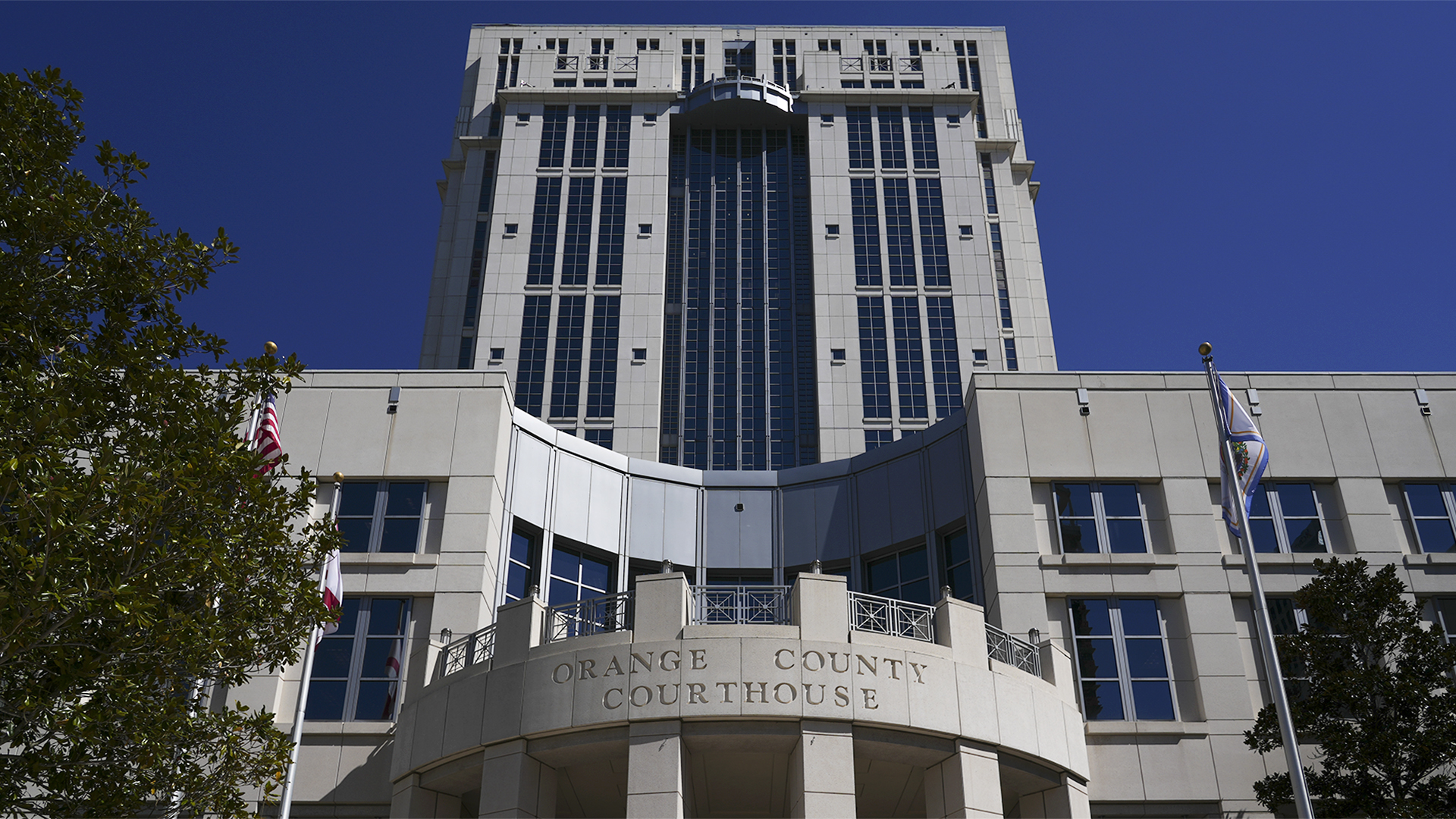
Bankruptcy Attorneys in Orlando, Florida
Expert legal representation with over 20 years of experience. We are committed to protecting your rights and achieving the best possible outcomes for your case.
What Is Bankruptcy?
Bankruptcy is a legal process designed to help individuals and businesses manage or eliminate overwhelming debt under federal law. Depending on your financial situation, bankruptcy may offer relief from collection efforts, wage garnishments, and creditor actions while providing a structured path forward. Our firm helps clients understand available options and determine whether bankruptcy is the right step for their circumstances.

Guidance through life’s most important legal decisions in Orlando Florida.
Chapter 13 Bankruptcy
Guidance through repayment plans that allow individuals to reorganize debts over time while protecting assets.
Chapter 7 Bankruptcy
Assistance with liquidation bankruptcy designed to eliminate qualifying unsecured debts for eligible individuals.
Frequently Asked Questions
Bankruptcy cases are governed by federal law and filed in federal bankruptcy court. The process varies depending on the chapter filed but generally involves submitting financial information, attending a meeting of creditors, and completing required steps before debts may be discharged or restructured.
Chapter 7 focuses on eliminating qualifying unsecured debts and is typically faster, while Chapter 13 involves a court-approved repayment plan over several years. Eligibility depends on income, assets, and other financial factors.
Not necessarily. Florida and federal law provide exemptions that may protect certain property. Whether assets are affected depends on the type of bankruptcy filed and your specific financial situation.
A Chapter 7 bankruptcy may appear on a credit report for up to ten years, while Chapter 13 may appear for up to seven years. However, many individuals begin rebuilding credit sooner depending on post-bankruptcy financial habits.
Filing for bankruptcy typically triggers an automatic stay, which may temporarily stop collection efforts, including wage garnishments and creditor communications.
Eligibility depends on income, expenses, debt type, and prior filings. A consultation can help determine whether bankruptcy or another option may be appropriate.
No. Certain debts, such as some taxes, student loans, and domestic support obligations, may not be discharged depending on the circumstances.
Most bankruptcy cases require attending a meeting of creditors. Court appearances are not always required unless specific issues arise during the case.
Ready to explore your debt relief options?
Schedule a confidential consultation to review your financial situation and discuss potential bankruptcy solutions.